Managing finances in the construction industry can be challenging. Contractors often handle multiple projects at the same time while dealing with fluctuating material costs, subcontractor payments, and strict project deadlines. Keeping track of all these financial elements using traditional accounting methods can quickly become overwhelming.
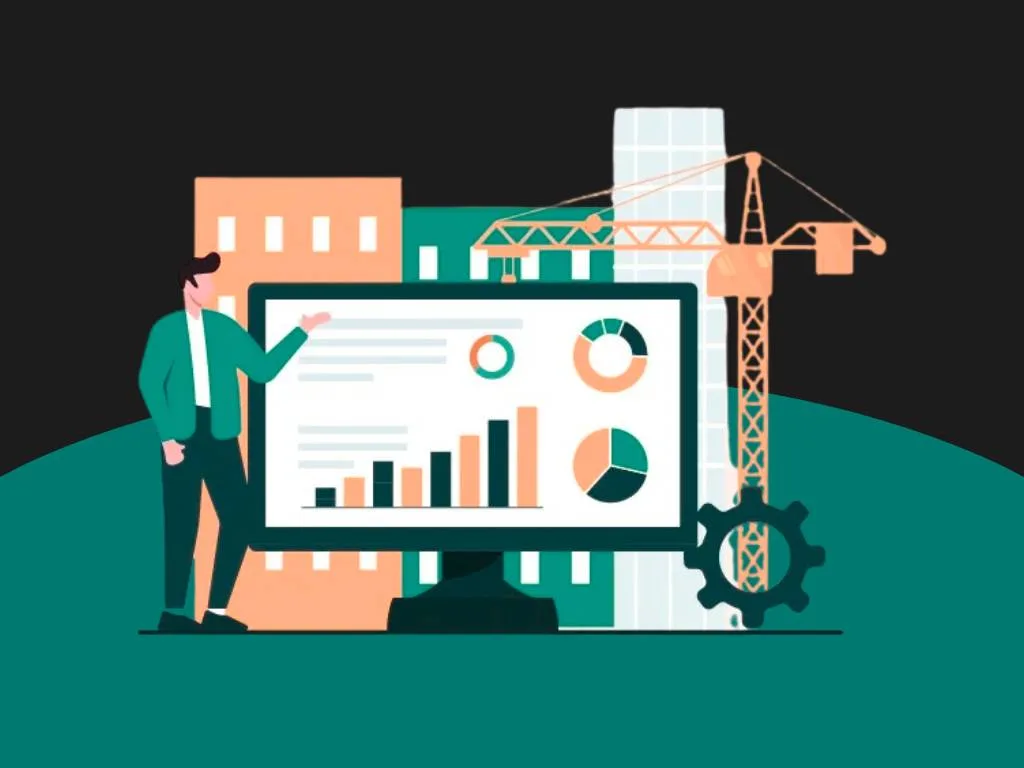
This is why many construction businesses are adopting real-time financial dashboards. These dashboards provide instant access to financial data, allowing contractors to monitor project performance, track expenses, and maintain better control over cash flow. With all important financial information available in one place, companies can make faster and more accurate decisions.
Real-time financial dashboards are quickly becoming an essential tool in construction accounting because they offer better visibility, improved financial control, and stronger decision-making capabilities.
Improved Financial Visibility Across Projects
One of the biggest advantages of real-time financial dashboards is the ability to see financial information instantly. Instead of waiting for monthly reports or manual updates, contractors can monitor revenue, expenses, and profitability as they happen.
This real-time visibility is especially valuable for companies managing multiple projects simultaneously. Contractors can easily review the financial status of each project, identify potential problems early, and ensure that budgets remain on track.
With clearer financial insights, accounting teams and project managers can stay aligned and avoid confusion when tracking project expenses.
Better Cash Flow Management
Cash flow is one of the most critical aspects of running a construction business. Projects often involve delayed payments, supplier costs, and ongoing operational expenses. Without proper monitoring, cash flow issues can quickly disrupt project progress.
Real-time dashboards help contractors keep track of incoming and outgoing payments in a clear and organized way. Businesses can monitor outstanding invoices, identify late payments, and forecast future cash flow needs more accurately.
By having a real-time view of financial activity, contractors can take proactive steps to maintain healthy cash flow and avoid unexpected financial gaps.
Easier Project Cost Tracking
Construction projects involve various cost components including labor, materials, equipment, and subcontractor payments. Managing these expenses manually can increase the risk of errors and make it difficult to control budgets.
Real-time financial dashboards simplify cost tracking by organizing expenses into clear categories. Contractors can compare estimated project budgets with actual spending as the project progresses.
If costs begin to exceed expectations, teams can quickly identify the cause and take corrective action. This level of financial transparency helps prevent budget overruns and improves overall project profitability.
Faster and Smarter Decision-Making
In construction, delays in decision-making can lead to increased costs and missed opportunities. Real-time financial dashboards provide contractors with accurate and up-to-date data, allowing them to make informed decisions quickly.
For example, contractors can evaluate project profitability, allocate resources more efficiently, and adjust budgets when necessary. Instead of relying on outdated financial reports, companies can respond to changes immediately.
This ability to act on current data helps businesses remain competitive and manage projects more effectively.
Simplified Financial Reporting
Another important benefit of financial dashboards is the ability to streamline reporting. Instead of preparing reports manually, dashboards automatically generate financial summaries that are easy to understand.
These reports can be shared with project managers, company leadership, or clients to provide transparency about financial performance. Automated reporting also reduces the workload for accounting teams and minimizes the chances of errors in financial documentation.
Having accurate and up-to-date reports improves communication and strengthens trust with stakeholders.
Supporting Long-Term Business Growth
Real-time financial dashboards do more than improve day-to-day accounting. They also support long-term business planning and growth.
Contractors can analyze financial trends, evaluate the profitability of different project types, and identify opportunities for expansion. With better financial insights, companies can make confident decisions about investing in new equipment, hiring additional staff, or taking on larger projects.
Clear financial visibility helps businesses grow sustainably while maintaining strong financial control.
Implementing Real-Time Financial Dashboards
Adopting real-time financial dashboards usually begins with selecting software that integrates well with existing accounting systems. The chosen platform should be able to pull financial data automatically and present it in a clear, easy-to-understand format.
Businesses should also identify the key performance indicators they want to track, such as project costs, revenue, expenses, and cash flow. Training employees to use the dashboard effectively ensures that teams can fully benefit from the insights it provides.
With proper implementation, real-time dashboards quickly become an essential tool for managing construction finances.
Conclusion
Construction accounting involves complex financial management across multiple projects, making accurate and timely financial data extremely important. Real-time financial dashboards provide contractors with instant visibility into their financial performance, helping them track costs, manage cash flow, and make better business decisions.
By integrating real-time dashboards into their accounting systems, construction companies can improve efficiency, reduce financial risks, and maintain stronger control over their projects. In a fast-moving industry where financial clarity is crucial, real-time insights are becoming a powerful tool for sustainable growth.