
For any business, strong financial management begins with accurate bookkeeping. Whether a company is just starting out or already operating in a competitive market, keeping financial records organized is essential for maintaining stability and growth.
Business bookkeeping solutions provide structured methods and tools that help companies manage financial transactions efficiently. These solutions simplify how businesses record income, track expenses, manage invoices, and prepare financial reports. For small businesses in particular, the right bookkeeping approach can make a significant difference in improving cash flow management, ensuring regulatory compliance, and supporting informed decision-making.
With modern technology and cloud-based tools, bookkeeping has evolved from manual recordkeeping into a streamlined and automated process that helps businesses operate more efficiently.
Understanding the Basics of Bookkeeping
Bookkeeping is the process of recording and organizing a company’s financial transactions. It forms the foundation of accounting and ensures that financial information is accurate and up to date.
Every business transaction—such as sales, purchases, payments, or receipts—needs to be documented properly. These records are then organized into ledgers and used to generate financial statements that reflect the company’s financial health.
Some of the core bookkeeping activities include recording transactions, managing accounts receivable and payable, preparing trial balances, and generating financial statements such as income statements and balance sheets. Regular reconciliation with bank statements is also important to ensure accuracy and detect any discrepancies.
When bookkeeping is handled correctly, businesses gain a clear understanding of their financial performance. This clarity allows business owners to monitor profitability, prepare for tax obligations, and make well-informed financial decisions.
Why Bookkeeping Solutions Matter for Small Businesses
Small businesses often face challenges when managing finances. Limited resources, lack of accounting expertise, and time constraints can make financial recordkeeping difficult.
Bookkeeping solutions help address these challenges by simplifying financial processes and reducing manual work. They allow business owners to maintain organized financial records while focusing more on running and growing their business.
A reliable bookkeeping system also improves transparency. Accurate records make it easier to track income and expenses, monitor business performance, and ensure compliance with tax regulations. In addition, organized financial data strengthens credibility with lenders, investors, and stakeholders.
Types of Business Bookkeeping Solutions
Businesses can choose from several bookkeeping methods depending on their size, complexity, and operational needs.
Manual Bookkeeping
Traditional bookkeeping involves recording transactions manually using paper ledgers or spreadsheets. While this method is inexpensive and simple to implement, it requires significant time and attention. It is also more prone to human error, especially as the volume of transactions increases.
Desktop Accounting Software
Desktop-based bookkeeping software provides more advanced features than manual systems. Programs such as QuickBooks Desktop and Sage offer tools for financial reporting, invoicing, and expense tracking. However, these systems require installation and periodic updates and may limit remote access.
Cloud-Based Bookkeeping Platforms
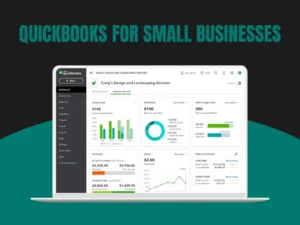
Cloud accounting software has become increasingly popular among small businesses. Platforms like QuickBooks Online, Xero, and FreshBooks allow users to access financial data from anywhere through an internet connection. These solutions often include automation features, real-time reporting, and integration with other business tools.
Outsourced Bookkeeping Services
Many businesses choose to outsource bookkeeping to professional service providers. This approach allows companies to access experienced financial experts while reducing internal workload. Outsourcing can also improve accuracy and ensure that bookkeeping processes follow industry standards and compliance requirements.
Best Practices for Efficient Bookkeeping
Choosing the right bookkeeping tools is important, but effective financial management also depends on adopting efficient bookkeeping practices.
One essential practice is maintaining consistent recordkeeping. All financial transactions should be documented regularly and categorized correctly. Consistency helps ensure accurate reporting and makes it easier to track financial performance over time.
Automation is another valuable strategy. Modern bookkeeping software can automate tasks such as invoice generation, payment reminders, and bank reconciliation. Automating repetitive processes reduces manual work and minimizes errors.
Businesses should also conduct regular financial reviews. Monthly reconciliation of bank accounts and financial statements helps detect discrepancies early and maintain accurate records.
Keeping proper documentation is equally important. Organized storage of receipts, invoices, and contracts supports financial transparency and simplifies audits or financial reviews.
How Bookkeeping Improves Financial Efficiency
Effective bookkeeping directly contributes to financial efficiency by providing clear insights into business finances.
One of the biggest advantages is improved cash flow management. By tracking accounts receivable and payable in real time, businesses can anticipate cash needs, avoid late payments, and maintain a stable financial position.
Accurate financial records also support better decision-making. Business owners can analyze spending patterns, identify profitable products or services, and determine areas where costs can be reduced.
Additionally, automated bookkeeping processes reduce administrative workload and operational costs. Employees spend less time on manual data entry and more time focusing on strategic business activities.
Common Bookkeeping Challenges for Small Businesses
Despite the availability of modern tools, many small businesses still face bookkeeping challenges.
One common issue is limited financial expertise. Business owners who lack accounting knowledge may struggle with financial reporting or tax compliance. This challenge can often be addressed by using user-friendly bookkeeping software or seeking professional assistance.
Data entry errors are another frequent problem. Mistakes in financial records can lead to inaccurate reports and poor financial decisions. Using automated tools and regularly reviewing financial data helps reduce these risks.
Compliance with tax regulations can also be complex. Businesses must stay updated with changing laws and reporting requirements. Working with professional bookkeeping services or updated software ensures compliance and reduces the risk of penalties.
Conclusion
Business bookkeeping solutions play a crucial role in maintaining financial efficiency and supporting long-term success. Accurate recordkeeping not only ensures compliance and reduces financial errors but also provides valuable insights that guide business decisions.
By adopting modern bookkeeping tools, implementing efficient financial practices, and seeking professional support when necessary, businesses can transform how they manage their finances.
With organized financial systems in place, companies gain better control over cash flow, improve operational efficiency, and position themselves for sustainable growth in an increasingly competitive business environment.